When Rocky III hit theaters in 1982, it wasn’t just another sequel—it was a full-blown reinvention of the franchise. Sylvester Stallone, now a global star, took Rocky Balboa in a bold new direction, mirroring his own rise to fame. The film shifted from the gritty, underdog struggle of the first two movies to a fast-paced, high-energy spectacle, reflecting Rocky’s transformation from a hungry fighter to a world-famous champion.
The making of Rocky 3 was packed with challenges, surprises, and behind-the-scenes moments that shaped the final film. From introducing Mr. T and Hulk Hogan to creating the now-iconic Rocky Statue, the production took the series to a new level.
For those wondering when was Rocky 3 made, filming took place in 1981, with Stallone not only starring but also writing and directing. This was the film that changed everything—not just for Rocky, but for the franchise itself.
A New Look for Rocky: Why Does Rocky Look Different in Rocky 3?
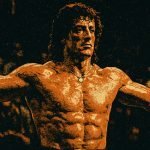
One of the biggest visual changes in Rocky III was Rocky’s physique. Gone was the bulky, brawler look from the first two films—Stallone slimmed down to a lean, sculpted fighter, training harder than ever to achieve a body fat percentage of just 2.8%. This was partly due to his real-life training regimen, but it also fit the story.
In the film, Rocky has become a polished, media-friendly champion, stepping away from the rough, street-fighter look of his early days. The shift in his physicality symbolized the very thing Mickey warned him about: he had become civilized.
Rocky 3 Cast: New Faces, Bigger Personalities
The Rocky three cast featured returning favorites like Talia Shire (Adrian), Burt Young (Paulie), Burgess Meredith (Mickey), and Carl Weathers (Apollo Creed). But the biggest shake-up came with the introduction of two pop culture giants—Mr. T and Hulk Hogan.
- Mr. T as Clubber Lang – His role as the brutal, no-nonsense challenger was a career-defining moment. Rocky III also gave birth to his most famous catchphrase: “I pity the fool.”
- Hulk Hogan as Thunderlips – Before becoming a wrestling superstar, Hogan played the massive wrestler Rocky fights for charity. The wild scene helped catapult Hogan’s career into mainstream entertainment.
Talia Shire later shared that she was particularly pleased with how Rocky and Adrian’s marriage was portrayed, highlighting real-life struggles in relationships. Having gone through a divorce herself just before filming, she appreciated that the film didn’t shy away from showing the strain that success can put on a marriage.
Filming Techniques: Bringing the Fight to Life
Stallone wanted Rocky III to feel different from its predecessors. To capture the intrusion of fame, he worked closely with cinematographer Bill Butler, using hand-held Steadicam shots to give the film a documentary-like feel. The goal was to make audiences feel like they were eavesdropping on Rocky’s life, much like the media does with real-world celebrities.
This approach also extended to the fight sequences. Unlike the first two films, where the fights were drawn-out battles of endurance, Rocky III’s matches were shorter, faster, and more aggressive. The final fight between Rocky and Clubber Lang was over in just three rounds, a drastic change from Rocky’s usual slugfests.
The Rocky Statue: An Unexpected Star
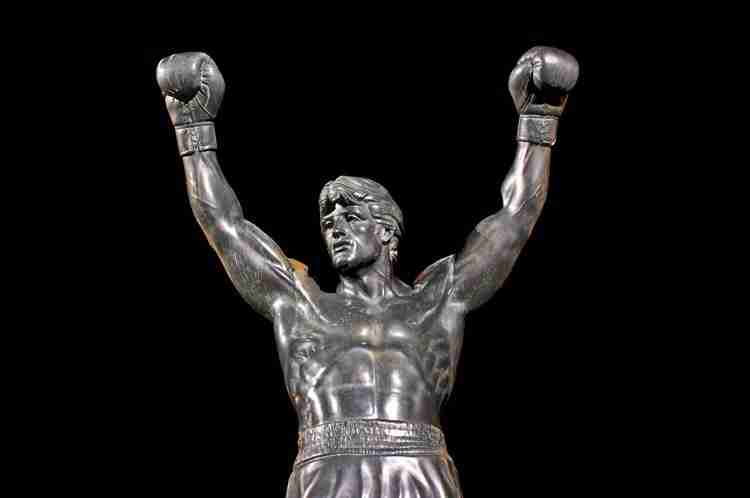
One of the most iconic moments in the film is the unveiling of the Rocky Statue on the Philadelphia Museum of Art steps. The 9-foot, 800-pound bronze statue was specially commissioned for the film, and its journey to the set became a media frenzy.
Journalists from across the country tried to track it down before its official debut, hoping to get the first glimpse of the statue before Stallone could unveil it. But despite all their efforts, no one found it. The massive sculpture had been quietly transported cross-country by train, avoiding any premature exposure.
Even after filming, the statue took on a life of its own. Fans flocked to see it, and it later became a permanent Philadelphia landmark, standing at the base of the steps today.
Rocky 3 End Scene: A Private Battle Between Legends
The final scene of Rocky III is one of the most memorable in the series. After reclaiming his title from Clubber Lang, Apollo reminds Rocky of a deal they made—one last fight, just the two of them, behind closed doors.
With no cameras, no crowd, and no championship belt on the line, Rocky and Apollo step into the ring for a private rematch. Just before they throw their first punches, Apollo says, “You fight great, but I’m a great fighter.”
Rocky responds with a smirk: “We’ll see.”
The screen freezes on their first punches, leaving the fight—and the question of who really won—up to the audience’s imagination.
Filming Locations: Beyond Philadelphia
Though Philadelphia remains the heart of the Rocky series, Rocky III expanded its shooting locations.
- Los Angeles – The historic Biltmore Hotel was used as the exterior of Rocky’s lavish new gym. Custom “Rocky Balboa” banners were hung outside, making it a key location in the film.
- Las Vegas, Nevada – The MGM Grand Hotel served as the setting for the championship fight against Clubber Lang.
- California – Additional training sequences and Apollo’s gym scenes were filmed in various California locations.
Why Rocky 3 Was a Game-Changer
Rocky III wasn’t just another sequel—it reshaped the franchise. It introduced the world to Eye of the Tiger, cemented Mr. T and Hulk Hogan as cultural icons, and changed Rocky’s story from an underdog tale to a battle for legacy.
For Stallone, it reflected his own real-life struggles with fame. Just like Rocky, he had to adapt to a new level of success, facing the challenges of staying on top while keeping his original fire alive.
Even decades later, Rocky III remains one of the most rewatchable films in the series, blending action, drama, and unforgettable performances.