This rare 1979 behind-the-scenes article takes us deep into the cold streets of Philadelphia during the filming of Rocky II, where Sylvester Stallone was grinding through late-night takes in full bridegroom gear. But what really makes this piece interesting today is how it captures a fleeting, complicated moment between Sly and his father, Frank Stallone Sr.
At the time, Frank Sr. publicly defended his son’s character and artistic drive. But decades later, through the Netflix documentary Sly and Stallone’s revealing interview on his daughters’ podcast, we now understand there was much more under the surface. Painful memories, emotional distance, and a tough family history make this article feel almost like a time capsule—showing a father trying to connect with a son who was just starting to find his voice.
It’s also one of the few vintage sources that names Frank Stallone Sr. outright—offering a rare look at the real dynamics behind the man who created Rocky. For fans of the films and the family, this one hits differently.
Sly Stallone Comes in From the Cold to Make ROCKY II in Style
Originally Published June 15, 1979
There’s one big difference between filming Rocky II and the original smash hit – money.
After shivering through six hours of shooting in the bitter night winds of Philadelphia, co-star Talia Shire kicks off her white wedding shoes and digs her feet into ski boots, hauls her red coat around her bridal gown and says: “The original movie was very poor, it was not the most comfortable. In the first picture we would have stolen for this heated trailer.”
Some things remain the same, though. Says Miss Shire: “We still have the same generating force of course, Sylvester. We keep seeing those wonderful strange things he can do. And we still have the same enthusiasm.”
“Nobody is walking through this picture to pay their alimony,” she says, as Sly Stallone stays in the freezing cold in his bridegroom clothes taking the last shot of the night again and again.
Watching his every move is Frank Stallone, Sr., who tells how his son is so cruelly misunderstood.
“He may seem a little aloof, but I think it’s because of his devotion to his art,” says Mr. Stallone, whose two sons Sylvester and Frank Jr. act out scenes uncannily close to their own lives for the film.
“A lot of people misunderstand him because they don’t reach him. He’s not a partygoer and not very big at small talk. He’s not seen in the right places, rubbing shoulders with the right people, and so people get the wrong idea.
“He spends his time at his art, writing and reading. And of course there’s a lot of jealousy involved in some feelings towards him.”
Mr. Stallone attacked another myth that has grown up around Sylvester.
“There have been some ridiculous misrepresentations about his rags to riches success.”
“I’ve been very successful. I never wanted for anything and neither did my children,” says Stallone Sr. who earned his good living from astute cosmetic and real estate industry dealings.
As he talked, Sly directed a scene in a small backstreet – similar to the streets where he and Frank spent most of their teenage years just a few miles away.
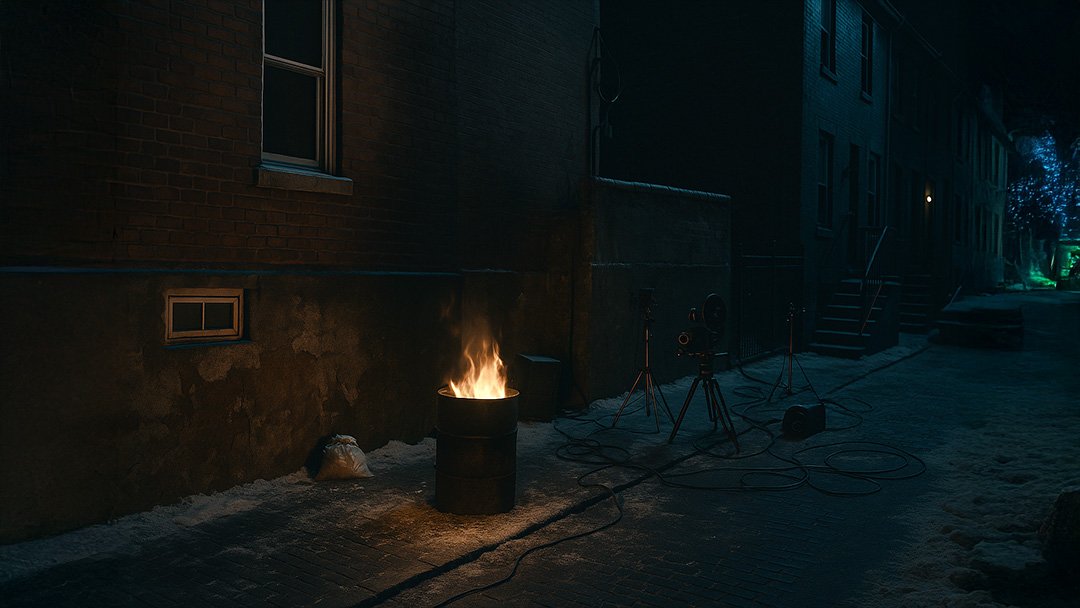
Rocky and his girl, Talia Shire, are strolling home, when they meet a group of street musicians singing over a roaring fire. As in Rocky, Frank Stallone is the lead singer.
“They’d both sing on street corners when they were struggling in New York,” says Mr. Stallone. But Frank, ready to build on the national success he had with the Valentines with his own solo album was always the more musically inclined of the two brothers.
“Sly was an intense young man searching for something, but never quite found himself until he went to a special school in Switzerland.
“While he was there, he stood in for a part in Arthur Miller’s ‘Death of a Salesman’ and that was it.”
One incident in Sly’s youth gave his father an indication of things to come.
“When he was nine, I came home one day and found him drawing on a table,” he recalls. “I asked his mother where the drawing was from. She said Binky – that’s what we used to call him – had done it.”
“I feel in some ways that all this talent and ability fermented inside him until he finally found out how to express it.”